
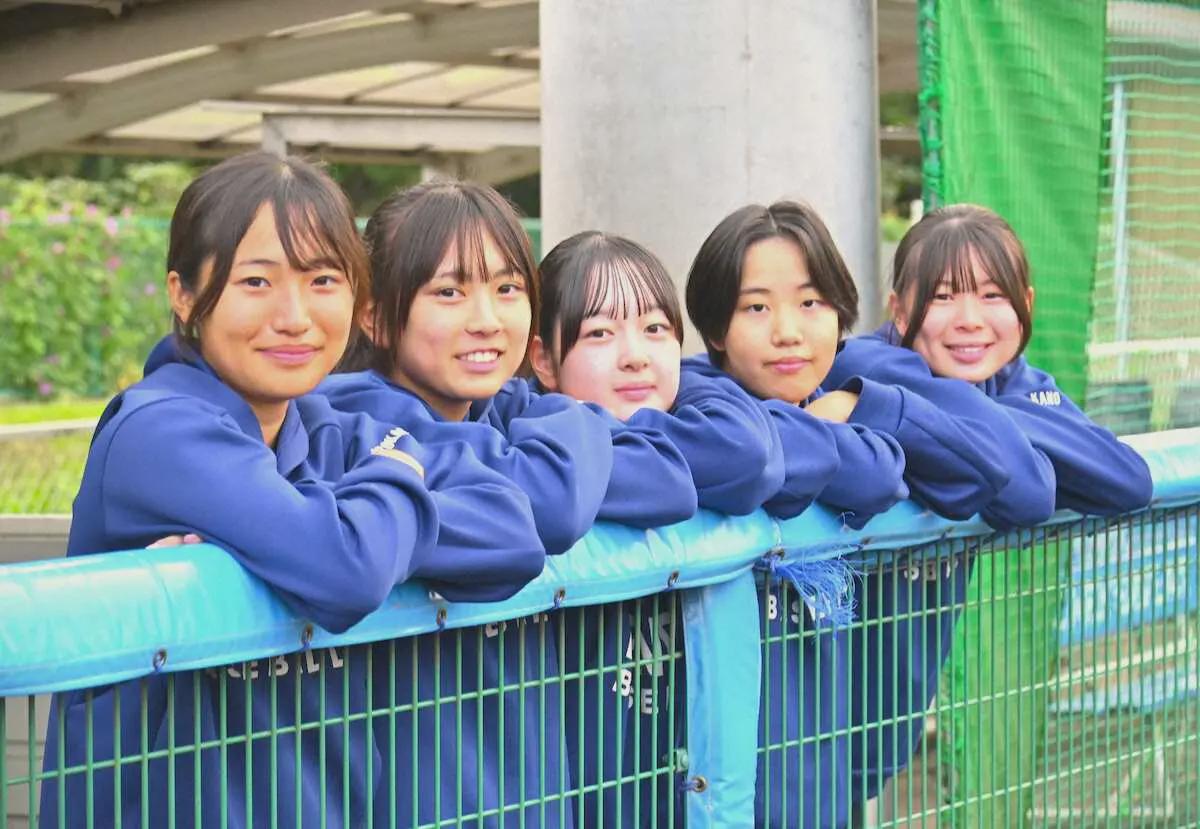
Au Kendai Takasaki HS à Gunma, au Japon, une équipe de baseball puissante, des étudiantes en MS de tout le pays affluent pour postuler en tant que gestionnaires d’étudiants. Parmi eux, quelqu’un est même venu nous rendre visite depuis Okinawa, à environ 1500 km. Le baseball HS est extrêmement populaire au Japon, mais cela est inhabituel.
—
Par ogasawarabaseball
1 Comment
Student managers immediately respond whenever professional team scouts or university representatives visit. To handle these situations properly, they must be fully aware of the team’s schedule and current circumstances. As the “face of the team” that visitors meet first, their abilities to process and communicate information—both input and output—are developed.
Moreover, a high degree of initiative is required. Student managers themselves decide how to allocate tasks between long-term responsibilities, such as training camp preparations and data analysis, and tasks that must be completed on the same day. At the end of each day, they hold meetings to review progress and address any work-related issues.
The typical image of a student manager might be keeping records at the grand stage of Koshien or watching over players from the stands in the Alps section. However, unlike players who have opportunities to showcase their achievements during games, the rewards of a student manager’s work—built through steady, behind-the-scenes effort—are often difficult for others to see. If one envisions a “glittering image” of a manager, they may face a gap between expectation and reality.
In this regard, Kendai Takasaki has a solid “preventive measure.” Last year, 12 first-year students expressed a desire to join, but only 2 were able to actually become members. The trial participation did not involve difficult tests or interviews; instead, participants were simply asked to spend a day observing practice. It quickly became clear that there was no “glitter” in real practice, and students had to ask themselves whether they could continue this for two and a half years. As a result of testing their resolve, only two formally joined.
The student managers also accompanied the Okinawa training camp held at the end of last year. Experiencing a new world that ordinary high school students rarely have access to can become a valuable asset.
Kaneko, a student manager who retired last summer, went on to Chuo University, while Wako, another student manager, advanced to Asia University, achieving their desired paths. Kendai Takasaki is a place where dreams are pursued not only by players like Genki Ishigaki, who joined the Chiba Lotte Marines, or Ryuga Sato, who joined the Orix Buffaloes, but also by student managers themselves.